
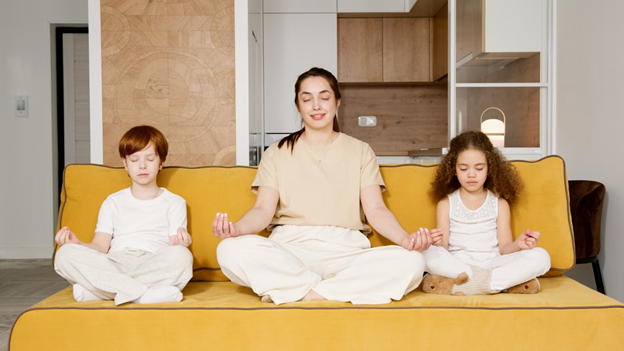
Busy parents juggling work, home logistics, and constant decision-making often hit the same wall: mental wellness challenges pile up while there’s no clean space to recover. Even when the desire to feel better is strong, emotional wellness barriers like guilt, irritability, and the pressure to stay “on” can make care feel out of reach. Typical advice can sound like one more assignment, especially when time-constrained self-care means there’s barely time to finish dinner, much less reset the nervous system. The goal here is realistic parental stress management that fits into real days.
Quick Summary for Busy Parents
- Start with small, time-efficient self-care actions that fit naturally into daily parenting routines.
- Use practical stress-reduction techniques to steady emotions during busy or overwhelming moments.
- Build simple mental wellness habits that support both emotional balance and resilience over time.
- Pick one realistic technique to try today and adjust it to match your family’s schedule.
Explore Alternative Stress-Relief Modalities, Safely
Once you’ve got a few quick daily resets in your pocket, it can help to know which alternative stress-relief options are generally considered low-risk when used thoughtfully.
- Mindfulness practices: brief, gentle attention to the present moment.
- Breathing exercises: slow, steady breaths to downshift stress.
- Ashwagandha: consider discussing timing and dosing of this popular herb with a clinician, especially if pregnant, breastfeeding, or managing thyroid/medication interactions.
Unconventional Practices That Fit a Parent’s Day
You don’t need an hour-long routine to feel steadier. These small, slightly “different” practices slide into real life, between drop-off and bedtime, and pair well with tools like breathing, progressive muscle relaxation, mindfulness, and guided imagery.
- Run 60-second micro-meditation breaks: Pick one “anchor moment” you already do, washing hands, buckling a car seat, waiting for the microwave, and take 6 slow breaths while noticing only physical sensations. The point isn’t emptying your mind; it’s practicing returning your attention on purpose. Parent-proof adaptation: put a sticky note that says “6 breaths” where you’ll see it, and treat interruptions as part of the practice.
- Do a 3-line expressive journaling “brain dump”: Write three lines only: “What I’m carrying,” “What I can control today,” and “What I’m releasing.” This builds emotional labeling and reduces mental clutter without turning into a big project. Parent-proof adaptation: keep a note on your phone and do it while you’re waiting in the pickup line.
- Try a sensory grounding exercise with a household object: Use the 5–4–3–2–1 method with something you’re already holding: a mug, lotion bottle, or a kid’s stuffed animal. Name 5 things you see, 4 you feel, 3 you hear, 2 you smell, and 1 you taste; it helps shift your nervous system out of “alarm mode” and into the present. Parent-proof adaptation: do it out loud with kids as a “detective game” during meltdowns.
- Use a simple breathing routine that has a “done” button: When you feel yourself rushing, do box breathing: inhale 4, hold 4, exhale 4, hold 4, repeat 4 rounds. This is a clean bridge from the stress-relief menu you’ve seen, fast, measurable, and easy to repeat. Parent-proof adaptation: trace a square on your thigh with your finger so you don’t have to count perfectly.
- Practice creative visualization in two minutes, then take one action: Picture a stressful moment you have coming (a work call, bedtime, a tough conversation) and visualize it going “good enough,” including what you’ll do when it gets messy. Visualization works best when it turns into behavior: choose one sentence you’ll say or one boundary you’ll hold. Parent-proof adaptation: follow a “Today I will…” intention since tools that help you set daily intentions can make goals feel like manageable, focused actions.
- Build nature connection activities into errands: Aim for 3 minutes of “green time,” not a hike, stand by a tree, look for cloud shapes, or notice three living things on the walk from the car. Nature attention is a gentle form of mindfulness that doesn’t require silence or special gear. Parent-proof adaptation: make it a scavenger hunt, “Find something that moves, something that grows, and something that’s changing.”
- Create a daily gratitude ritual that’s specific, not forced: At dinner or lights-out, name one “micro-win” (not a personality trait): “I asked for help,” “I paused before snapping,” “I noticed my shoulders were tense.” Specific gratitude reinforces coping skills and makes progress visible on hard weeks. Parent-proof adaptation: if the day was rough, use the fallback: “One thing I didn’t make worse was…”
- Try a 90-second ‘stress reset’ stack (ground + breathe + relax): Combine one grounding cue (feel feet), one breathing round (slow exhale), and one progressive muscle release (drop shoulders). Stacking keeps it simple and draws from evidence-based options without needing a perfect mood or setting. Parent-proof adaptation: do it in the bathroom or pantry, privacy makes consistency easier than motivation.
- Schedule a “worry window” to stop stress from leaking all day: Set a 5-minute timer once daily to write worries and one next step; outside that window, tell your brain “not now, it’s on the list.” Since parental stress and well-being show a robust link, containing stress, rather than pretending it isn’t there, can protect your emotional bandwidth. Parent-proof adaptation: do it right after the kids are in bed so it doesn’t hijack family time.
Daily Wellness for Busy Parents: Common Questions
Q: How do I stay consistent when my schedule changes every day?
A: Tie one tiny practice to something that already happens, like starting the car or brushing teeth. If you miss a day, treat it as normal, not a failure, and restart at the next anchor. Consistency is repetition over time, not perfection.
Q: What if I only have one minute, does it still “count”?
A: Yes, because your nervous system responds to small cues of safety and pause. Aim for a minimum dose you can do on your worst day, then add time only when it feels easy.
Q: Can I include my kids without turning it into a lesson?
A: Keep it playful: try a “sense scavenger hunt,” a breathing game with a stuffed animal, or name one feeling each at bedtime. The CDC notes mental health in childhood includes learning to cope when there are problems, and simple co-regulation moments support that.
Q: How do I handle the guilt that I’m focusing on myself?
A: Reframe it as maintenance, not selfishness, since your steadiness is part of the family’s safety. If guilt spikes, choose a 30-second practice and tell yourself, “This helps me show up.”
Q: What’s a realistic goal if I’m already overwhelmed?
A: Pick one barrier and design around it, because wellness barriers are real obstacles, not character flaws. Set a goal like “three days this week” or “once per day after dinner,” then keep it for two weeks before changing anything.
Build Emotional Resilience With One Sustainable Daily Parenting Habit
When every day is packed, mental health can feel like one more task, and guilt creeps in when routines don’t stick. The steadier path is integrating wellness into parenting through small, sustainable mental health habits rooted in self-compassion for parents, not perfection. Over time, these tiny choices support emotional resilience building and make long-term stress management feel more doable, even in hard weeks. One tiny habit, repeated kindly, is enough to change your nervous system’s baseline.